

Lauren Linahan
Environmental ReporterLauren Linahan has spent more than a decade working as a broadcast meteorologist and science journalist in the Southeast. She most recently worked at WBRC 6 News in Birmingham, where she served on the First Alert Weather Team for four years. While at WBRC, Lauren helped pioneer a digital-first show, First Alert Weather Extra, which provided an in-depth look at weather, climate and environment-centered stories. Prior to moving to Birmingham, Lauren worked at WTVM in Columbus, Georgia and WTVY in Dothan, Alabama. Lauren initially pursued her burgeoning interest in broadcasting as a tour guide at CNN Headquarters in Atlanta.
Lauren grew up in Valdosta, Georgia. She earned a B.S. in Environmental Geosciences and a B.A. in French from Valdosta State University. She also completed Mississippi State’s Broadcast Meteorology Program. In 2026, Lauren joined the ClimateBase Fellowship, an educational program aimed at deepening climate literacy through mission-based work. Whether through storytelling or forecasting, Lauren’s passion for our planet drives her commitment to shining a light on Alabama’s rich biodiversity – and how our communities can better protect ourselves and our home as the climate evolves.
In her free time, Lauren likes spending quality time with her husband and their four cats: Ophelia, Oliver, Coco and Lily Bean. As a vocal mental health advocate, Lauren fights the “overwhelm” through hiking, reading, karaoke, traveling and being a #PlantMom. And, of course, regular visits with her therapist certainly don’t hurt.
-
 Scientists have been warning that the historic El Niño, which is a regular occurring climate pattern, could significantly affect weather patterns across the U.S.
-
 Leaves are beginning to change color across Central Alabama. But the fall foliage is running a little bit behind the typical late October/early November time frame.
-
 The Nature Conservancy is using natural materials and limestone breakwaters to rebuild Coffee Island off the Alabama Coast.
-
 Hurricane Isaias experienced rapid intensification twice as it moved through the Gulf thanks to abnormally warm water. That was potentially driven by human-caused climate change.
-
 Marine research and science education at Dauphin Island Sea Lab are a key piece of solving the conservation puzzle on the Alabama Gulf Coast.
-
 The barrier islands off the Alabama Gulf Coast serve as ideal nesting habitat for shorebirds. But their populations are declining amid human development and climate change.
-
 Human development has put diamondback terrapins at risk along Alabama's Gulf Coast. The turtles are a keystone species, so scientists are working to save them.
-
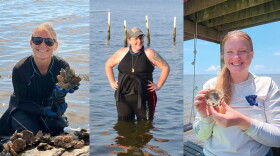 Oyster populations have dropped more than 80 percent in Mobile Bay since the 1950s. Marine scientists are working to revive the oysters amid ongoing threats.
-
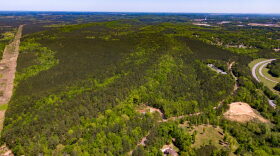 The debate over data centers in Alabama has hit new highs in recent months, with more than a dozen projects underway or proposed across the state.
-
 Alabama beekeepers trained the cast and crew of The Rivals of Amziah King on how to work with more than a million live bees during filming. They walked away with only five stings.


